ChatGPT vs Claude for Marketing Copy in 2026

Marketing teams have spent the past two years running their quiet experiments with AI. They paste briefs into chatbots, edit the output, and decide which tool earns a permanent spot in the workflow. By 2026, the debate around ChatGPT vs Claude for marketing copy will no longer be theoretical. There’s enough real-world use to make an honest call.
This comparison is for copywriters, content strategists, and marketing managers who need to know which tool actually delivers, not which one had the flashier launch announcement.
What We’re Actually Comparing Here
Both tools are mature products. ChatGPT, developed by OpenAI, uses GPT-4 as its default model for paid users. Claude, developed by Anthropic, runs on Claude Sonnet 4.6 and Claude Opus 4.6, depending on the plan. Both offer browser access, memory features on certain plans, and APIs that marketing tech stacks can connect to.
Neither is a specialist copywriting tool. Both are general-purpose large language models that excel at text generation. The differences in output stem from training philosophy, precision in following instructions, and how each model handles creative constraints.
ChatGPT: Strengths and Blind Spots for Marketing Copy
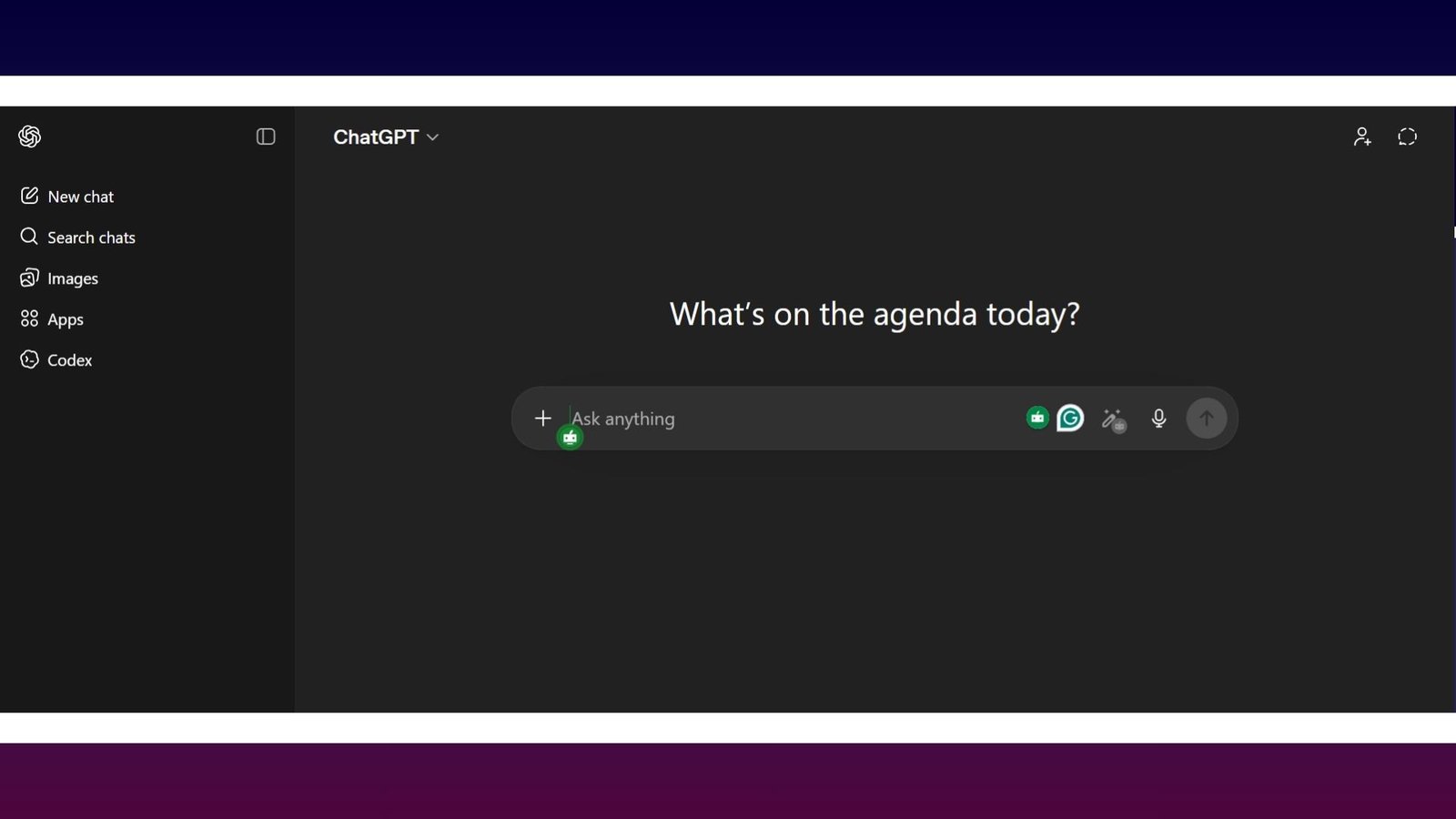
ChatGPT is confident and quick. It produces clean first drafts quickly, handles a wide range of formats from ad headlines to long-form landing pages, and rarely stalls on an ambiguous brief. For marketers who work at pace and need volume, that counts.
Its real strength is structural familiarity. ChatGPT tends to organize copy the way most marketers expect: a hook, a value proposition, social proof, and a call to action. The model has been trained on enormous amounts of marketing content, and that training shows. The output reads like copy because, in large part, that’s what shaped it.
Furthermore, it handles persona-based prompts well. Give it a detailed brief, including industry, audience, tone, and goal, and it executes reliably. It pushes back less on a brief, which some marketers treat as a feature and others as a liability.
Where it falls short: ChatGPT tends to copy without substantial content. It produces sentences that sound compelling but occasionally say very little. Product descriptions default to generic superlatives, and headlines often land on safe, expected formulas rather than angles that earn attention. Without a sharp prompt, it gives you a professionally average output. And professionally average doesn’t convert.
Claude: Strengths and Blind Spots for Marketing Copy
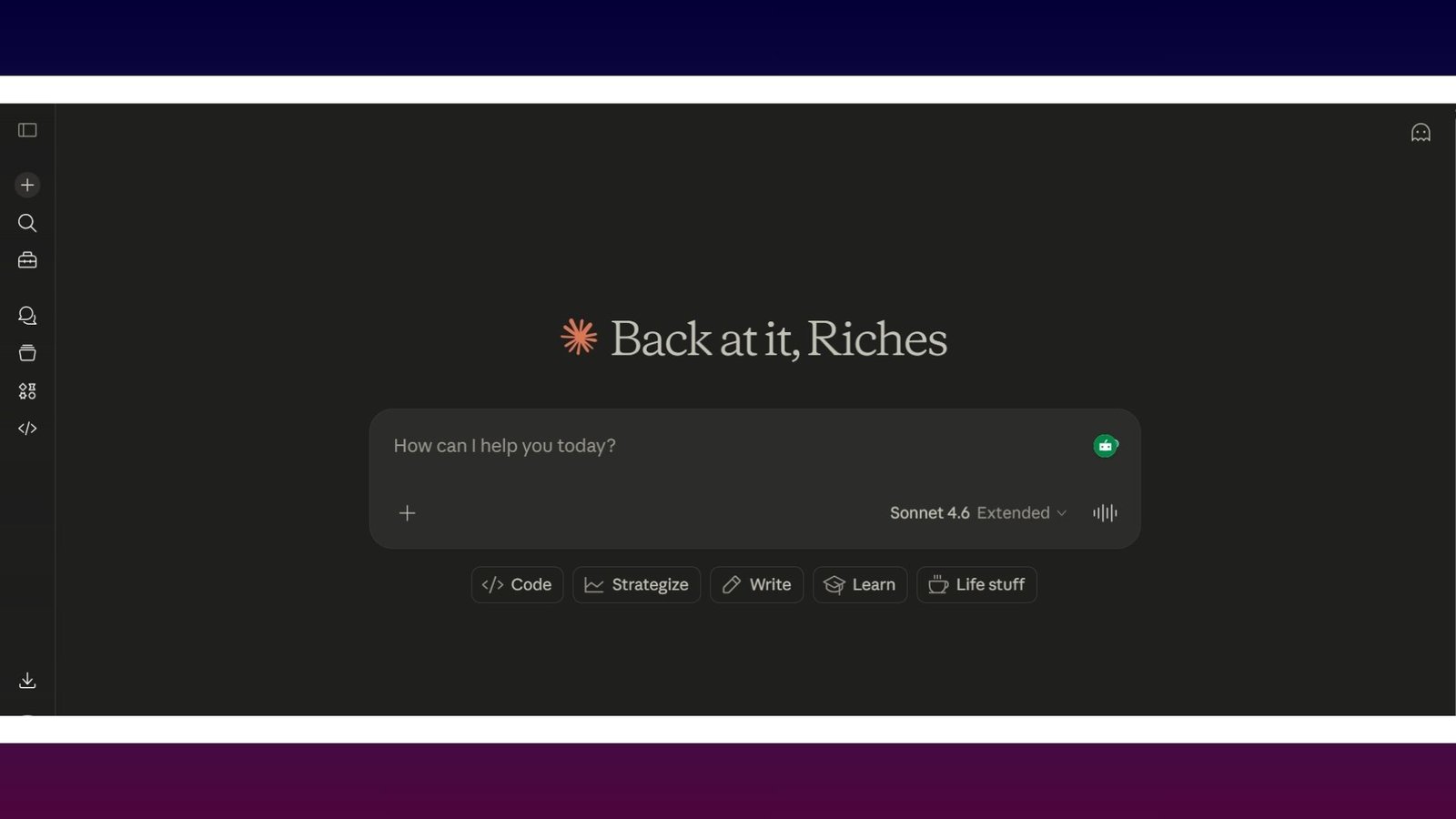
Claude’s strongest quality as a marketing copy AI is its sensitivity to voice and instruction. When a brief specifies a tone, such as dry wit, authoritative, or conversational-but-credible, Claude reads that instruction carefully and maintains it throughout the piece. This makes it a more reliable tool for brand voice work, where consistency across paragraphs matters as much as the opening line.
Moreover, it’s the best tool for copying, and it needs to be taught. Claude approaches comparison pages, objection-handling sections, and email sequences—designed to earn logical trust over multiple messages—with sharper, more careful reasoning. It’s less likely to reach for a cliché when a precise point is available.
Claude also tends to produce fewer filler phrases. Its copy has a leaner quality, with shorter sentences that do more work. For direct-response formats, where every word must justify itself, that restraint is useful in practice.
Where it falls short: Claude is sometimes overly cautious in its use of persuasive language. It pulls back from assertive claims in a way that sands the edge off copy that should have one. Marketers who want charged, high-energy promotional copy — the kind that pushes hard and asks for the sale directly — will find Claude’s output more measured than they’d like. It also demands more from the brief. Give it a vague instruction, and the results are vaguer than what ChatGPT would produce from the same input.
ChatGPT vs Claude: Head-to-Head in Six Categories Compared
Brand Voice Consistency
Claude holds a consistent tone across longer pieces better than ChatGPT. In tests with detailed style guides, including sentence length restrictions, banned words, and structural rules, Claude followed them more faithfully beyond 800 words. ChatGPT drifts, particularly on voice constraints applied mid-document.
Edge: Claude
Speed and Volume Output
ChatGPT produces usable first drafts faster and tolerates under-specified prompts better. For agencies running high-output production lines where speed and volume take priority, it’s the more practical choice.
Edge: ChatGPT
Conversion Copy and Direct Response
Both tools write conversion copy. ChatGPT produces a structure that fits established frameworks like AIDA and PAS more automatically. Claude produces copy that’s more precisely argued, but it needs a bolder edit pass to sharpen the call to action. The winner depends on how much of your strategic thinking happens in the prompting phase versus the editing phase.
Edge: Tie
Email Marketing Sequences
Claude handles multi-email sequences with a stronger logical thread between messages. Emails don’t feel like independent outputs. They feel like a planned journey, which is what a sequence should be.
Edge: Claude
Ad Copy (Short-Form)
For punchy, character-limited ad copy, including Google search ads, Meta headlines, and LinkedIn text ads, ChatGPT’s faster instinct for condensed phrasing gives it a slight advantage. Claude matches it with a well-constructed prompt, but doesn’t arrive there as naturally.
Edge: ChatGPT
Handling Complex Briefs
Claude manages multi-layered briefs with more precision. Multiple audiences, competing messages, and nuanced positioning don’t often flatten into a single answer. That’s a real advantage when the brief is the hardest part of the project.
Edge: Claude
Side-by-Side Comparison Table
| Category | ChatGPT | Claude |
| Brand voice consistency | Good | Excellent |
| Speed on vague briefs | Excellent | Good |
| Email sequences | Good | Excellent |
| Short-form ad copy | Excellent | Good |
| Complex briefs | Good | Excellent |
| Direct-response punch | Good | Moderate |
| Tone control over length | Moderate | Excellent |
| Sensitivity to style guides | Moderate | Excellent |
| First-draft volume | Excellent | Good |
Which Tool Fits Which Marketer
Solo freelance copywriters who need to move fast across varied clients will find ChatGPT more efficient as a first-draft machine. It demands less from the brief and returns something workable quickly.
In-house brand teams that manage a defined voice and produce copy across multiple channels will get more from Claude. Its sensitivity to instruction makes it a better fit for situations where brand standards are non-negotiable.
Performance marketing teams running ad creative tests benefit from ChatGPT’s instinct for compressed, punchy formats. However, for the narrative copy that underpins a funnel, including landing pages, nurture emails, and product storytelling, Claude produces more careful, deliberate output.
Agencies managing multiple clients may benefit from running both tools. ChatGPT for volume and speed; Claude for brand-sensitive or strategically complex projects. Many already do.
The Verdict: An Honest Recommendation
There’s no universal winner. That’s the only honest answer.
ChatGPT is the better tool if you prioritize speed, handle varied briefs daily, and do most of your strategic thinking in the editing phase rather than the prompting phase. Its output is fast, structured, and reliably close enough to be useful.
Claude is the better tool if you prioritize precision, work with detailed brand guidelines, write long-form conversion content, or need a model that follows complex instructions rather than approximating them.
If marketing copy is a significant part of your workflow and you’re choosing one tool, Claude Sonnet 4.6 is currently the stronger option for quality-focused output. But if your work involves high-volume production and fast turnaround, ChatGPT remains a serious tool that would cost real time to replace.
So here’s what actually happens in practice: the smartest marketing teams in 2026 aren’t picking one. They’re learning which tool to reach for depending on what the brief demands.
FAQ
Is Claude better than ChatGPT for copywriting? For copy that requires precise tone, detailed brand guidelines, or long-form narrative consistency, Claude generally produces stronger results. For fast, high-volume drafts across varied formats, ChatGPT is more efficient.
Can I use both ChatGPT and Claude for marketing copy? Yes, and many marketing professionals do. Each tool has a distinct strength profile, and using them for different tasks is a practical approach, not a compromise.
Which AI writes better ad copy in 2026? For short-form ad copy, including headlines, search ads, and character-limited formats, ChatGPT has a slight natural edge. For longer persuasive copy supporting an ad campaign, Claude’s sharper reasoning tends to produce stronger output. Does Claude follow brand voice guidelines better than ChatGPT? In direct testing with detailed style guides and tone constraints, Claude follows and holds those instructions more consistently across longer pieces. ChatGPT drifts noticeably beyond 600 words when voice rules are applied.
Also see: