Iran Conflict Threatens Global Tech Infrastructure of Big Tech Companies in the Middle East
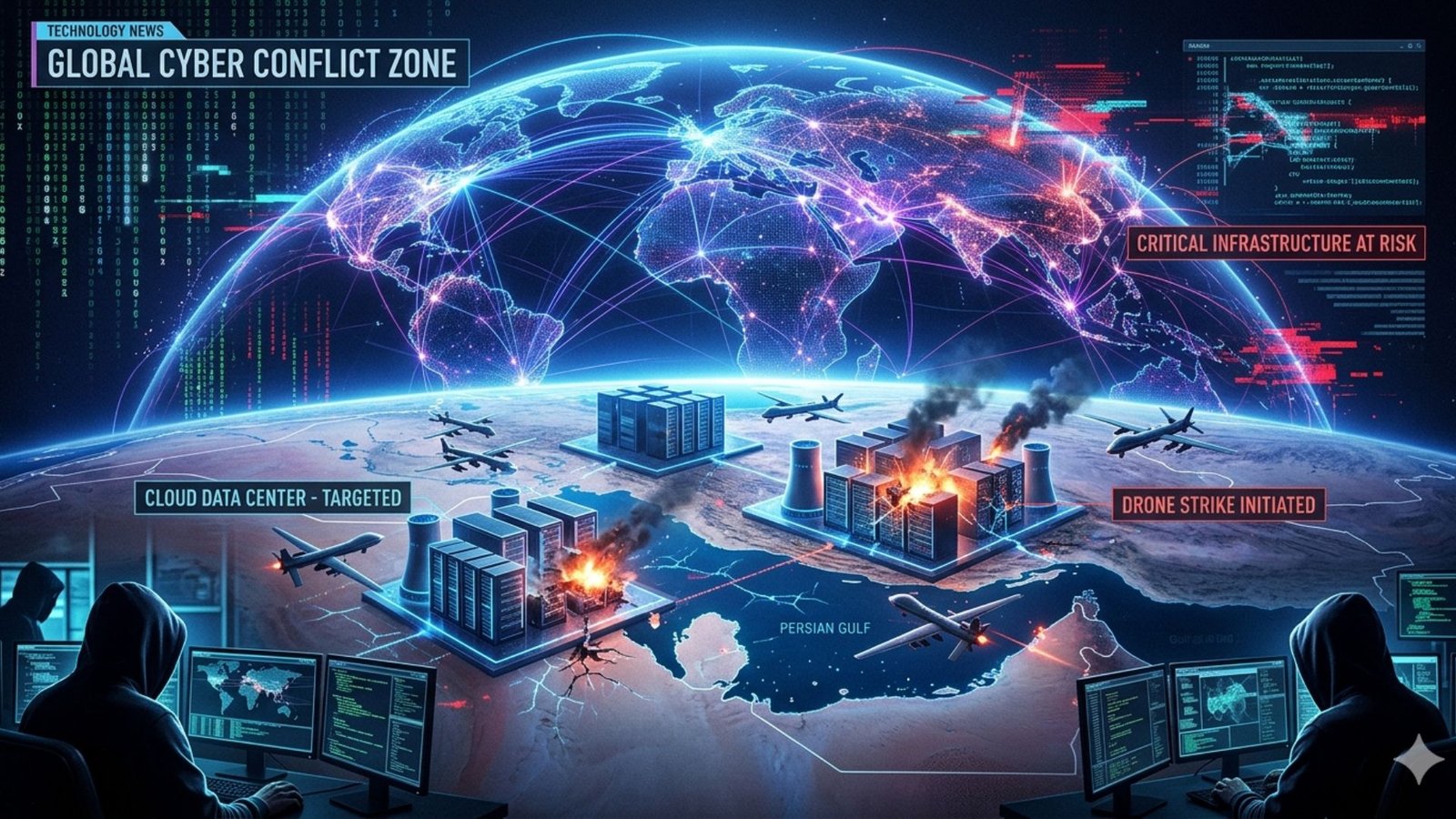
The geopolitical conflict between Iran and the United States has expanded beyond traditional military arenas to include global tech infrastructure. Major companies such as Amazon, Google, and Stryker now face increased risk from cyberattacks, drone strikes, and tech infrastructure threats affecting the Middle East and global digital networks.
Security analysts note this escalation marks a new era in which cloud infrastructure, data centers, and corporate networks are strategic targets.
The Rise of Infrastructure Warfare in the Tech Industry
Recent events show that commercial technology infrastructure is now central to modern conflict strategy. Iranian state-aligned sources have warned that assets of major U.S. tech companies may be considered legitimate targets as hostilities escalate.
These targets reportedly include:
- Cloud computing facilities
- Data centers in the Persian Gulf
- Regional tech offices
- Research and development hubs
Industry observers note that the move toward infrastructure warfare marks a turning point in cyber conflict. Adversaries are now targeting digital platforms that support global commerce and communication, rather than focusing solely on military systems.
Amazon Data Centers Hit in the Persian Gulf
A significant incident involved Amazon Web Services (AWS) infrastructure in the Middle East.
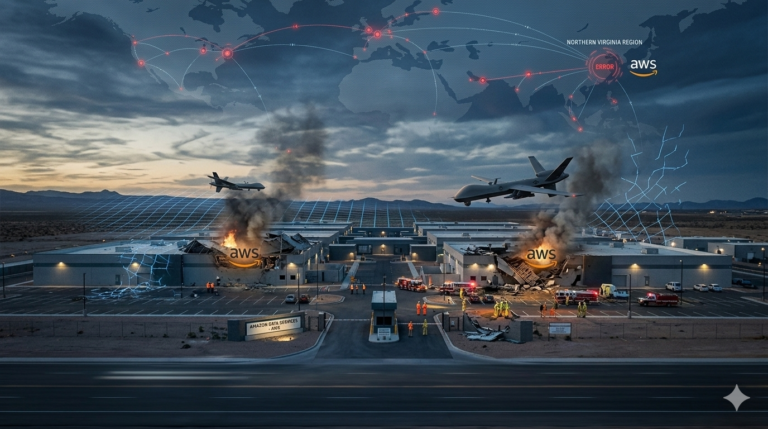
Drone strikes linked to Iranian forces reportedly damaged three AWS data centers in the United Arab Emirates and Bahrain, taking critical cloud services offline and causing outages across multiple digital platforms.
The attack disrupted several core AWS services, including
- EC2 cloud computing
- S3 cloud storage
- DynamoDB databases
- Lambda serverless computing
These outages affected banking platforms, enterprise applications, and logistics systems in the region, highlighting how physical attacks on cloud infrastructure can disrupt the global digital economy.
Experts note the strikes reveal a key reality: “the cloud” operates in physical facilities that can be targeted.
Google and Other Tech Giants Now in the Crosshairs

The threat extends beyond Amazon. Iranian state-linked outlets have identified several American technology firms in the Gulf as potential targets.
Among the companies reportedly listed:
These companies operate large hyperscale data centers and cloud networks that are essential to artificial intelligence development, government systems, and digital commerce.
Security researchers warn that targeting such facilities could disrupt:
- AI training infrastructure
- Financial systems
- Telecommunications networks
- Enterprise cloud services
This trend shows that digital infrastructure is increasingly viewed as strategic national infrastructure.
Cyberattacks Spread to Global Companies
While physical attacks have targeted data centers, related cyber operations are expanding globally.
For example, a cyberattack on medical device manufacturer Stryker disrupted internal systems and affected order processing and manufacturing.
A hacking group known as Handala, reportedly linked to Iran, claimed responsibility and stated the attack was retaliation for military actions in the region.
According to company disclosures:
- Computer systems were compromised.
- Manufacturing and order operations were disrupted.
- Thousands of employees experienced system outages.
Although patient-connected medical devices were not affected, the incident highlights the potential for cyber warfare to disrupt global healthcare supply chains.
Why Tech Infrastructures like Data Centers Are Becoming Strategic Targets
Cybersecurity experts state that targeting tech infrastructure reflects the increasing importance of digital systems in national power.
Modern data centers power:
- Artificial intelligence platforms
- military intelligence tools
- financial systems
- government services
- global internet traffic
As a result, disrupting cloud infrastructure can create economic pressure and strategic leverage without direct military confrontation.
For nations engaged in geopolitical rivalry, attacking digital infrastructure can yield immediate consequences:
- financial market disruption
- communication outages
- supply chain delays
- AI system downtime
Global Businesses Face a New Security Reality
The conflict is prompting multinational companies to reconsider how they protect their infrastructure.
Key changes already underway include:
1. Geographic diversification of cloud infrastructure
Companies are shifting workloads away from conflict-prone regions.
2. Physical security upgrades for data centers
According to security analysts, facilities may soon require protection comparable to missile defense systems.
3. Cyber resilience investments
Organizations are accelerating the adoption of zero-trust architecture and network segmentation.
4. Government-industry coordination
Tech companies are working more closely with national security agencies to protect digital assets.
The Future of Cyber Warfare
Events in the Persian Gulf suggest the world may be entering a new phase of hybrid warfare, where cyber operations and infrastructure strikes occur alongside traditional military tactics.
For global technology companies, the implications are profound:
- Cloud providers may become geopolitical targets.
- Cyberattacks may escalate during international conflicts.
- Digital infrastructure could become part of national defense strategies.
As the conflict evolves, it is clear that the battlefield of modern war now includes the global internet.
Also see:
Drone Strikes on AWS Data Centers: Implications for Security