Anthropic vs Pentagon: Court Battle Looms
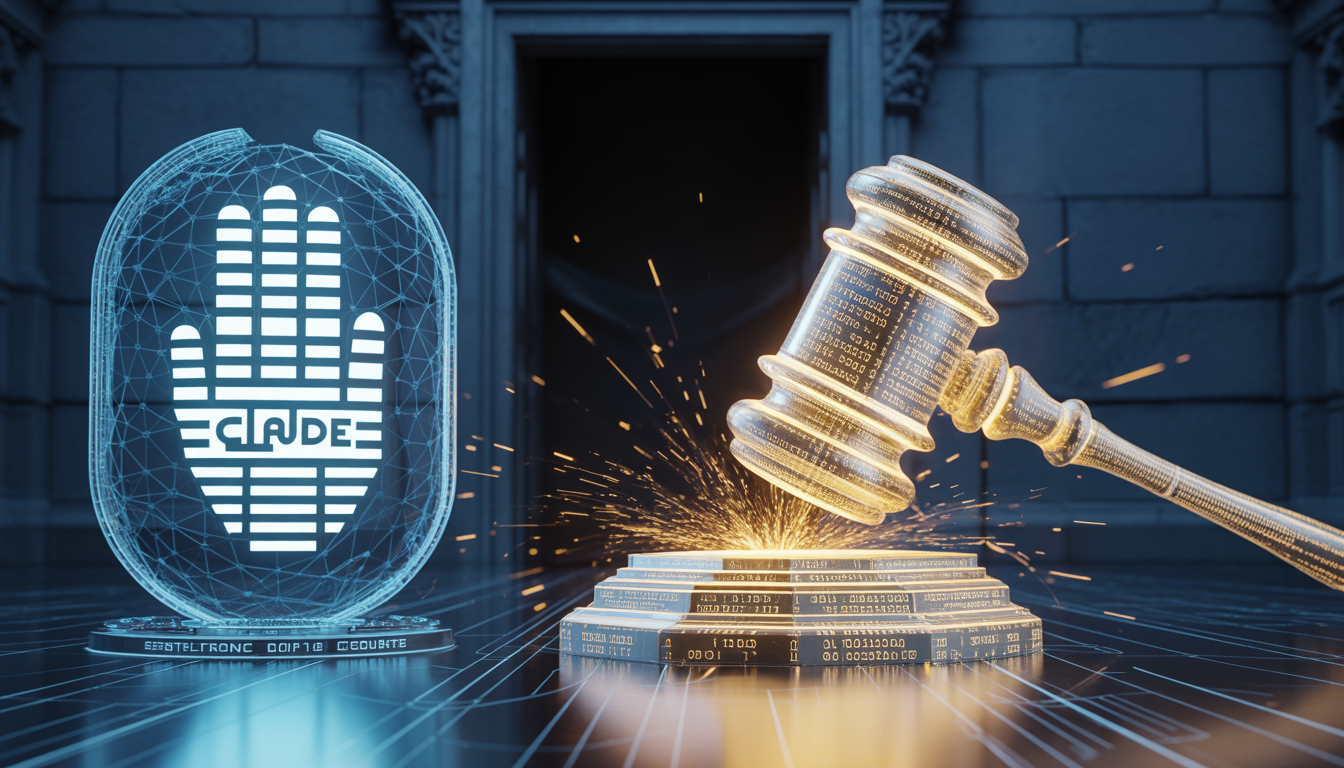
Court battle looms as tensions between the AI industry and the U.S. government have surged, with Anthropic CEO Dario Amodei urgently vowing to challenge the Department of Defense in court over a designation that threatens a critical $200 million defense contract.
The dispute between Anthropic vs Pentagon erupted when the Pentagon reportedly labeled Anthropic a “supply-chain risk,” a move that could immediately bar Anthropic from defense projects if upheld. Critics now denounce the DoD as the “Department of War,” highlighting intensifying clashes between tech and the military.
For Anthropic, a young AI startup, the stakes could not be higher. The outcome will shape how AI companies interact with governments, determine the future of defense contracts, and urgently redefine the boundaries between national security and innovation.
This article examines Anthropic’s challenge to the Pentagon, the implications of the supply-chain risk designation, and the potential impact onthe global AI industry.
Understanding the Anthropic vs. Pentagon Dispute
The controversy centers on a government decision that may classify Anthropic as a potential supply-chain risk to national security.
In defense procurement, supply-chain risk designations are significant and typically indicate concerns about:
- Foreign influence or ownership
- Data security vulnerabilities
- Dependency on third-party infrastructure
- Potential exposure to geopolitical threats
Anthropic insists the designation is both unjustified and damaging, underscoring its unwavering commitment to AI safety, transparency, and alignment research.
Dario Amodei says Anthropic will contest the decision in court, arguing the classification could undermine competition and innovation in U.S. AI.
Who Is Anthropic?
Founded in 2021, Anthropic has quickly become one of the most influential AI startups globally. Former OpenAI researchers, including Dario and Daniela Amodei, established the company.

Anthropic’s mission is to develop safe, reliable artificial intelligence systems, particularly through its constitutional AI framework, which emphasizes ethical alignment and controllable AI behavior.
Its flagship AI model family, Claude, competes directly with systems developed by:
- OpenAI
- Meta Platforms
Major investors in Anthropic include:
- Amazon
With strong funding and cloud partnerships, Anthropic is a key player in global AI infrastructure.
Why the Pentagon Labeled Anthropic a Supply-Chain Risk
While the Pentagon has not provided detailed public explanations, several factors may have influenced the designation.
1. Foreign Infrastructure Dependencies
Many AI companies rely heavily on global semiconductor supply chains, including chips designed by NVIDIA and manufactured overseas.
Defense agencies sometimes consider reliance on foreign technology ecosystems a potential vulnerability.
2. Cloud Platform Partnerships
Anthropic’s partnership with Amazon and integration with AWS may raise concerns about data governance and control in sensitive projects.
3. AI Security and Model Access
Large language models like Claude can generate code, analysis, and strategic insights.
Defense officials may worry about:
- Unauthorized model access
- Data leaks
- Model misuse
- Adversarial attacks
Such concerns are now common in AI-powered military systems.
Why Dario Amodei Is Fighting Back
For Amodei, the Pentagon’s classification is both a technical and a reputational threat.
A supply-chain risk designation could:
- Block Anthropic from defense contracts
- Damage trust among government clients
- Slow adoption of its AI technology
- Benefit competing AI companies
Amodei says Anthropic will challenge the decision in court to protect its interests and its reputation as a secure technology provider.
Defending its position is vital, as Anthropic aims to be a trusted AI infrastructure provider for governments and enterprises.
The $200 Million Defense Contract at Stake
The dispute threatens a $200 million AI contract for defense applications. While details remain limited, such contracts typically involve AI technologies for:
- Intelligence analysis
- Cybersecurity monitoring
- Logistics optimization
- Autonomous systems
- Decision-support tools
The Department of Defense has recently increased its investment in AI to remain globally competitive.
Losing access to innovative AI providers could hinder these efforts.
Growing Tensions Between AI Companies and the Military
The Anthropic case reflects a broader trend: technology companies and military institutions are increasingly at odds over the future of AI.
This tension is not new; in 2018, thousands of Google employees protested the company’s involvement in Project Maven, an AI initiative to analyze drone footage.
Since then, defense agencies have sought out stronger partnerships with AI startups, recognizing that private industry often drives innovation.
However, concerns remain on both sides:
Tech Companies Fear
- Ethical misuse of AI
- Reputational damage
- Regulatory restrictions
- Political backlash
Governments Fear
- Data exposure
- Foreign infiltration
- AI weaponization risks
- Dependency on private companies
The Anthropic dispute exposes the urgent and growing trust crisis between Silicon Valley and national security.
Why AI Supply Chains Are Now a National Security Issue
Artificial intelligence is now considered critical infrastructure. Modern AI systems depend on complex global supply chains that include:
- Semiconductor manufacturing
- Cloud computing infrastructure
- Massive datasets
- Software frameworks
- Energy resources
The U.S. now treats these systems as strategic assets, like energy grids or telecom networks.
Recent policy actions, such as export controls on advanced AI chips, demonstrate Washington’s seriousness about AI technological leadership.
The Legal Battle Ahead
If Anthropic pursues a lawsuit against the Department of Defense, the resulting case could set a defining, immediate precedent for the industry.
Key legal questions may include:
- What criteria determine a supply-chain risk?
- How transparent must government procurement decisions be?
- Do companies have adequate avenues to challenge such designations?
- How should AI infrastructure be regulated in national security contexts?
Legal experts say this case could shape future defense procurement rules for AI companies.
Implications for the Global AI Industry
The outcome of this dispute may have broad implications for the technology sector.
1. Stricter AI Security Standards
Governments may introduce more rigorous security requirements for companies providing AI services.
2. Increased Scrutiny of Tech Partnerships
Companies working with foreign investors or international infrastructure may face additional regulatory checks.
3. Consolidation of Defense-Approved AI Vendors
If supply-chain restrictions expand, only a small group of AI providers may qualify for defense contracts.
4. New Compliance Frameworks
AI companies could soon need formal national-security compliance programs similar to those used in aerospace or defense manufacturing.
Why This Conflict Matters for AI’s Future
The conflict shows a deeper shift in technology policy.
Artificial intelligence is no longer just a commercial tool — it is now a strategic geopolitical resource.
Governments worldwide view AI as essential for:
- Military modernization
- Cybersecurity
- Intelligence gathering
- Economic competitiveness
Private companies drive AI innovation, fueling unavoidable tensions about control and trust.
The result of Anthropic’s challenge could help define how governments and AI companies collaborate in the coming decade.
Conclusion
The Pentagon’s classification of Anthropic as a supply-chain risk has sparked a major dispute with the U.S. national security establishment.
By pledging to contest the designation in court, Dario Amodei is not only defending a $200 million contract but also challenging how governments regulate and evaluate artificial intelligence companies.
As AI becomes central to military and economic power, such disputes may grow. The key question is whether governments and innovators can balance security, transparency, and progress.
The outcome will shape the future of artificial intelligence, not only in defense but throughout the global digital economy.
Also see: The Pentagon’s New Frontier: OpenAI’s $200M Shift into Classified Defense & The Great AI Standoff: Why the White House blocked Anthropic