
Who Are the Artemis II Astronauts? Meet the Full Crew
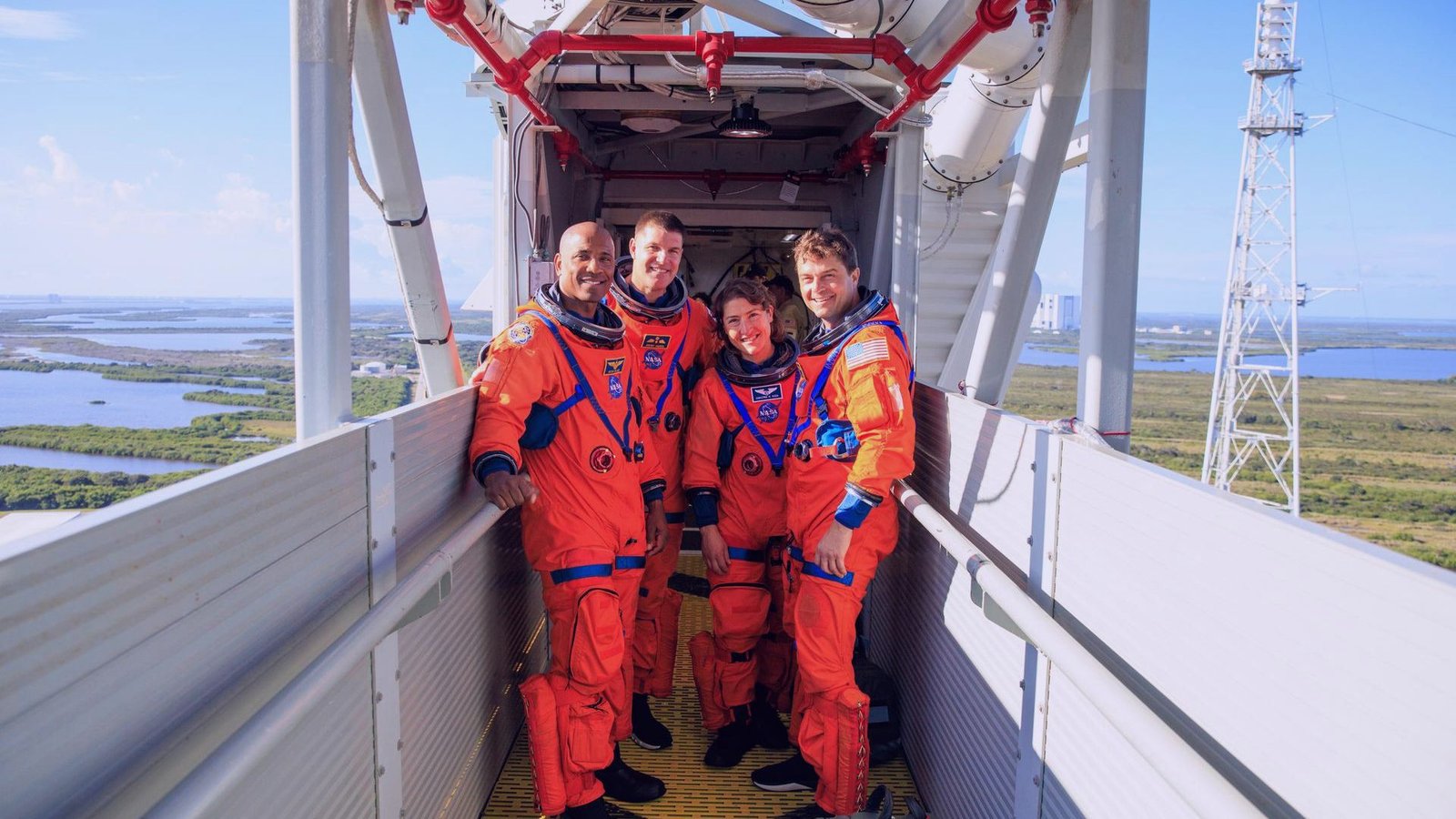
On April 1, 2026, four astronauts launched from the Kennedy Space Center aboard NASA’s Orion spacecraft, becoming the first humans to travel toward the Moon in more than 50 years. The Artemis II astronauts (crew)—commander Reid Wiseman, pilot Victor Glover, and mission specialists Christina Koch and Jeremy Hansen—lifted off atop the Space Launch System rocket at 6:35 p.m. EDT, beginning an approximately 10-day journey around the Moon and back.
The Artemis II astronauts are Reid Wiseman (commander), Victor Glover (pilot), Christina Koch (mission specialist), and Jeremy Hansen (mission specialist). They launched on April 1, 2026, on a 10-day lunar flyby—the first crewed mission to the Moon’s vicinity since Apollo 17 in December 1972. Among them are the first woman, the first person of color, the first Canadian, and the oldest person ever to travel beyond Earth orbit.
No one has flown such a distance from Earth since Apollo 17 in December 1972. The Artemis program was built around a set of firsts that this crew is carrying, in addition to their mission objectives. Here’s a full look at who they are.
At a Glance: The Artemis II Astronauts
| Name | Role | Agency | Historic First |
| Reid Wiseman | Commander | NASA | Oldest person to fly to the vicinity of the Moon |
| Victor Glover | Pilot | NASA | First person of color to fly beyond Earth orbit |
| Christina Koch | Mission Specialist | NASA | First woman to fly beyond Earth orbit |
| Jeremy Hansen | Mission Specialist | Canadian Space Agency | First non-American to fly beyond Earth orbit |
Reid Wiseman — Commander
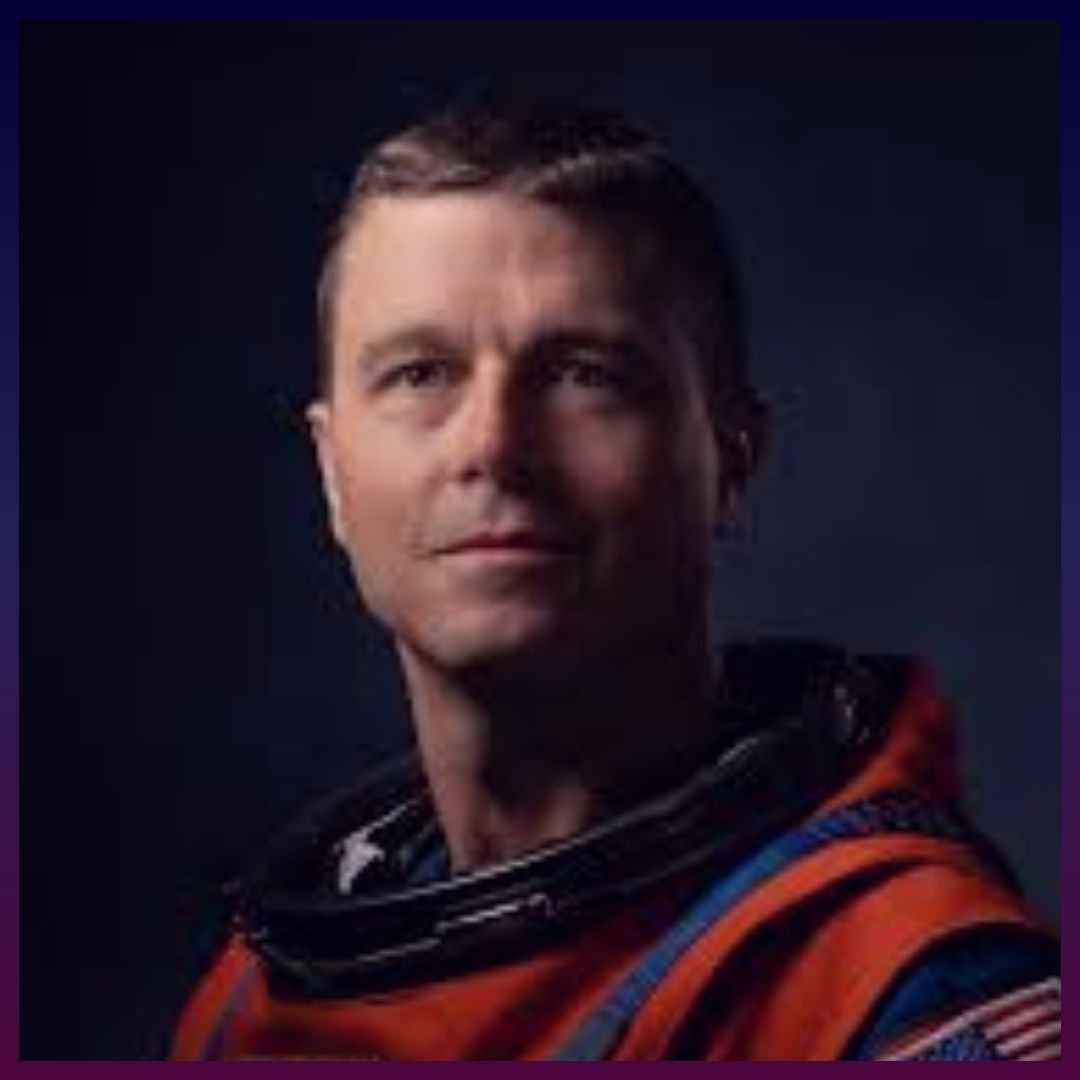
Reid Wiseman, born November 11, 1975, in Baltimore, Maryland, went to a space shuttle launch as a boy and decided that was what he wanted to do with his life. Five decades later, he’s commanding the first crewed lunar mission since Apollo.
He holds a bachelor’s in computer and systems engineering from Rensselaer Polytechnic Institute and a master’s in systems engineering from Johns Hopkins. He was designated a naval aviator in 1999, flew combat missions during the Iraq War, and graduated from the U.S. Naval Test Pilot School at Patuxent River. NASA selected him in 2009 as part of Astronaut Group 20.
His first spaceflight was Expedition 40/41 in May 2014 — 165 days on the ISS, two spacewalks totaling nearly 13 hours, and a social media presence that made him one of NASA’s most followed astronauts at the time. He later served as chief of the Astronaut Office from 2020 to 2022.
Loss has shaped his road to Artemis II. He lost his wife to cancer in 2020 and has raised their two daughters on his own since. “They would rather I not go,” he said before launch. “But they also know that this trip is a unique opportunity. The parents have to live their dreams just like the kids have to live their dreams.” He packed letters from his daughters for the journey.
At 50, he’s the oldest person to travel to the vicinity of the Moon. That was a record once held by the Apollo crews of a very different era.
[Internal link: What Is the Artemis Program? NASA’s Plan to Return Humans to the Moon]
Victor Glover — Pilot
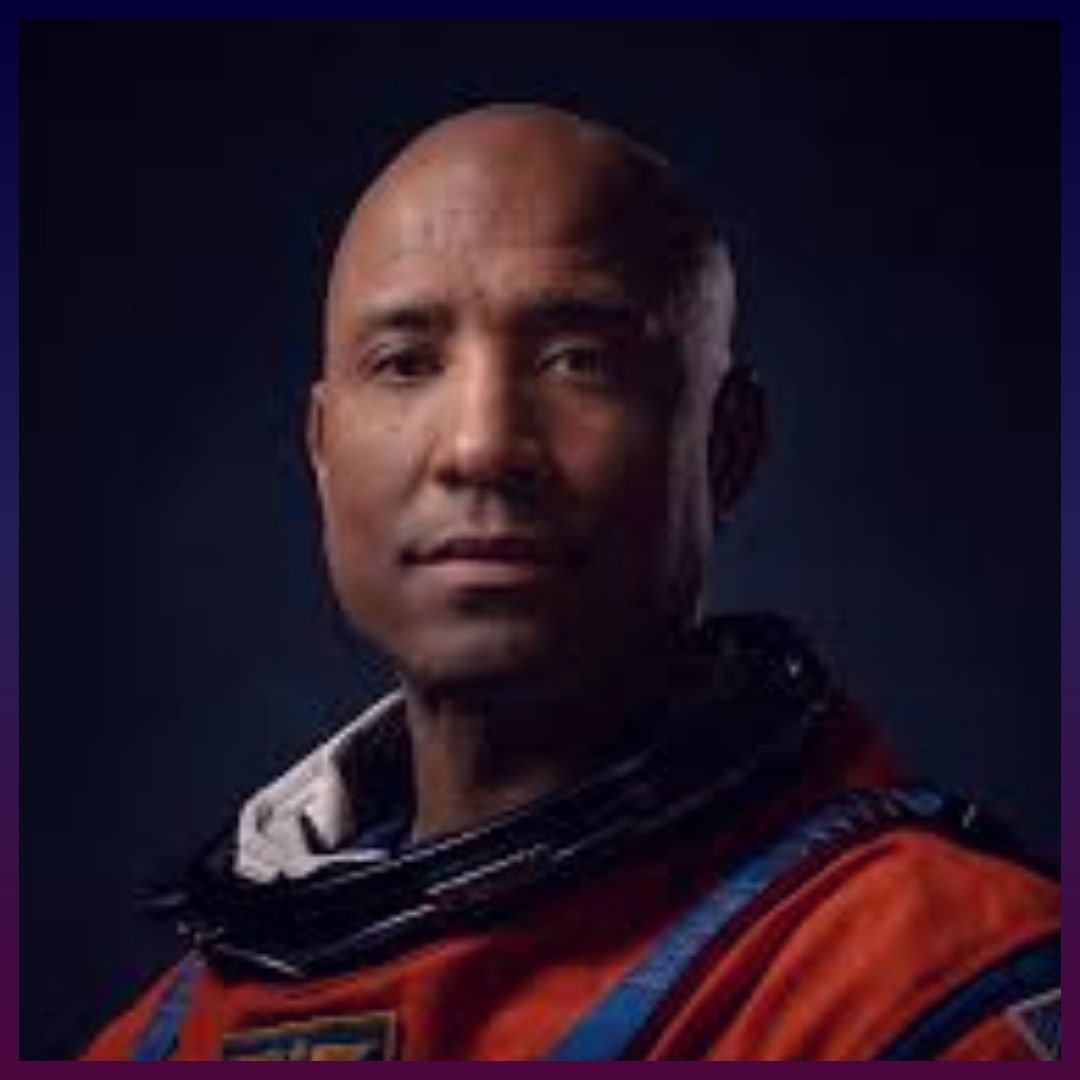
Victor Glover, born April 30, 1976, in Pomona, California, starts every launch the same way: he listens to Gil Scott-Heron’s “Whitey on the Moon” and Marvin Gaye’s “Make Me Wanna Holler”—two songs recorded during the Apollo era that capture, as he’s put it, what that period got right and what it got wrong. Artemis II is his chance to write a different story.
He holds a bachelor’s in engineering from California Polytechnic State University and three master’s degrees in military science, systems engineering, and management. As an F/A-18 pilot, he logged more than 3,500 flight hours across 40-plus aircraft types, completed more than 400 carrier landings, and flew 24 combat missions. He was serving as a legislative fellow in the U.S. Senate when NASA selected him in 2013.
His first spaceflight was Crew-1, the inaugural operational SpaceX Crew Dragon mission to the ISS. He launched in November 2020, spent 168 days in orbit, and completed four spacewalks—becoming the first Black astronaut to serve on a long-duration ISS crew.
Now he becomes the first person of color ever to travel beyond Earth orbit. He is married, the father of four daughters, and packed a Bible, his wedding rings, and heirlooms for each of his girls for the journey. “We need to celebrate this moment in human history,” he said when the crew was announced.
Christina Koch — Mission Specialist
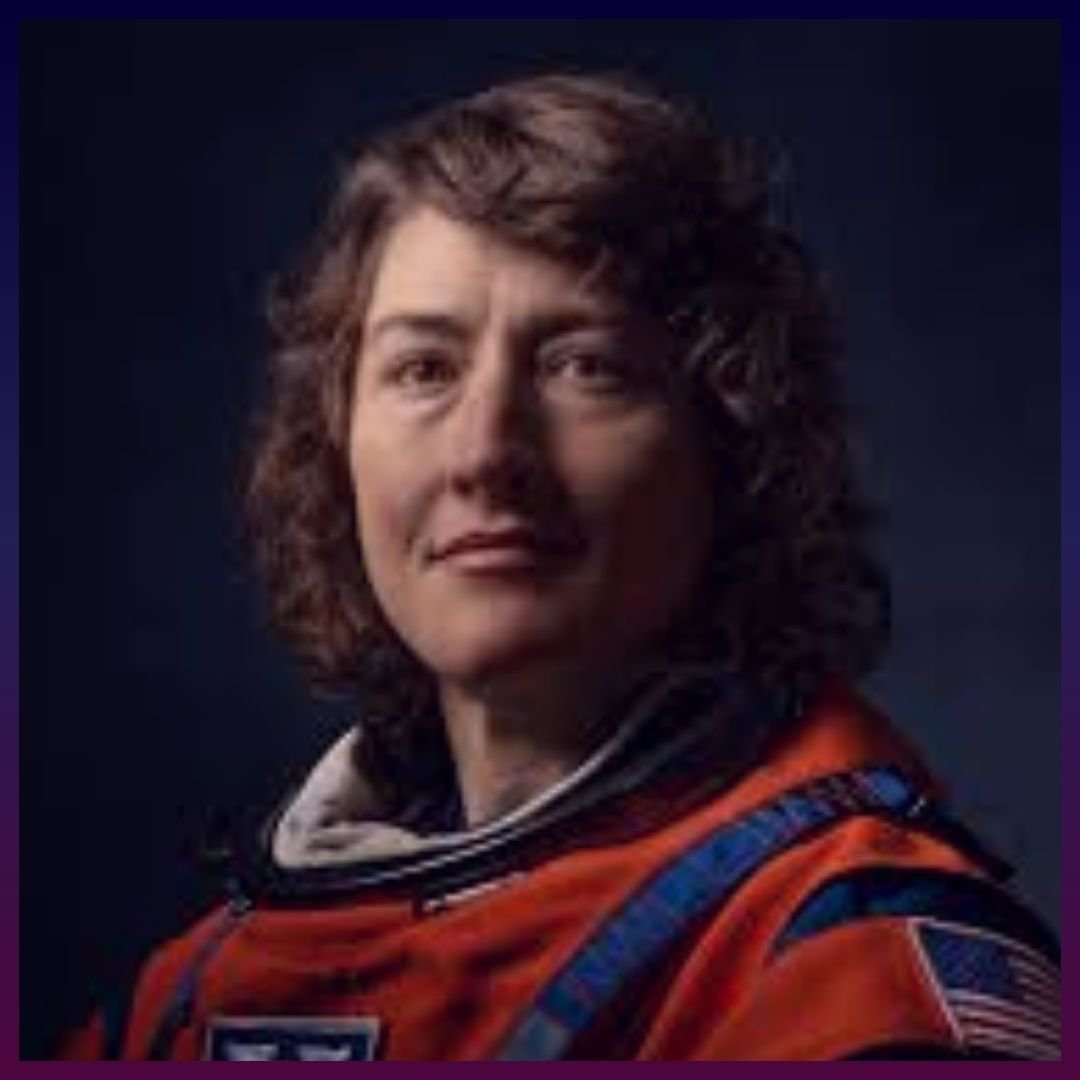
Christina Koch, 47, from Jacksonville, North Carolina, already held a world record before Artemis II: 328 consecutive days aboard the International Space Station, from March 2019 to February 2020 — the longest single spaceflight by a woman in history.
NASA selected Koch, an electrical engineer with a bachelor’s in physics, in 2013 alongside Glover. During her long-duration ISS stay, she and astronaut Jessica Meir conducted NASA’s first all-female spacewalk in October 2019. Her 328-day mission was also partly designed to study the long-term effects of spaceflight on the female body—research that feeds directly into the Artemis program’s goals.
She visited Kennedy Space Center for the first time as a girl of 10 or 11 on a family trip. Now she’s launching from there to the Moon. “How do we feel as people who can call the Moon a destination, not just something we’re looking at?” she said before the mission. For her lunar keepsake, she brought letters from family.
[Internal link: Christina Koch’s Record-Breaking ISS Mission: Everything You Need to Know]
Jeremy Hansen — Mission Specialist
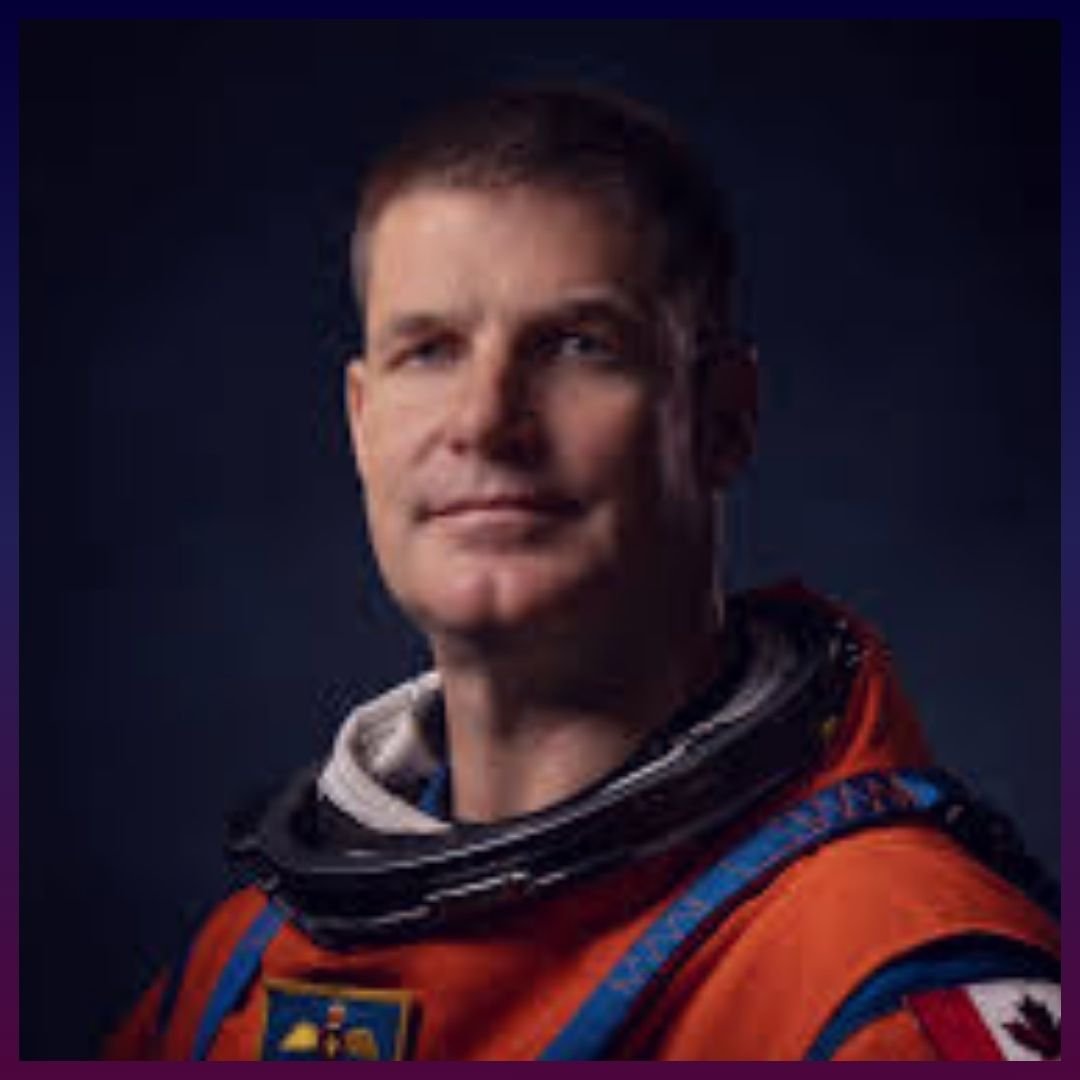
Jeremy Hansen, 50, from London, Ontario, is making his first spaceflight — and it’s a lunar flyby.
He grew up on a farm in rural Ontario, joined the Royal Canadian Air Cadet Squadron at 12, earned his glider wings at 16, and had a private pilot’s license a year after that. He went on to earn a bachelor’s in space science from the Royal Military College of Canada and a master’s in physics, then flew CF-18s for the Royal Canadian Air Force on NORAD and Arctic operations. The Canadian Space Agency selected him in 2009. In 2017, he became the first Canadian to lead a NASA astronaut class.
His seat on Artemis II reflects a 2020 agreement between Canada and the United States tied to Canada’s contribution of Canadarm3, the robotic arm planned for the Gateway lunar space station. He becomes the first non-American ever to travel beyond Earth orbit.
“It’s extraordinary as a human being to go to the far side of the Moon and look back and see the Earth from the perspective of the Moon,” he told CBS News before launch. His lunar keepsake: a moon pendant engraved with “moon and back,” set with his family’s birthstones.
Crew Snapshot
| Astronaut | One-Line Read |
| Reid Wiseman | The most experienced commander NASA could send—a combat pilot, ISS veteran, former chief of the Astronaut Office, and the crew’s most compelling personal story. |
| Victor Glover | The best-credentialed pilot on the mission, carrying the weight of a historic first with visible intention and remarkable calm. |
| Christina Koch | The crew’s most seasoned space traveler, with 328 days in orbit, three all-female spacewalks, and a record no one else holds. |
| Jeremy Hansen | A spaceflight rookie whose 15 years of NASA training, fighter pilot discipline, and quiet composure make him exactly the right person for this seat. |
Why This Crew Matters — And What Comes Next
Artemis II is not a Moon landing — that’s planned for Artemis III, currently targeting 2028. What it does is confirm that NASA’s Orion spacecraft and Space Launch System can carry humans safely into deep space and bring them home.
The crew’s path takes them around the far side of the Moon before looping back to Earth in a figure-eight trajectory, reaching more than 230,000 miles from Earth—further than any human has traveled since Apollo 13 set an unintentional distance record in 1970. Four people are now in deep space simultaneously for the first time since Apollo 8 carried three astronauts in December 1968.
The records this crew has already broken matter, but the one they’re setting up is bigger: a return to the lunar surface, with a broader and more representative crew than any that has gone before.
Editor’s Pick — Reid Wiseman. Of the four, his profile carries the most weight—not just for the credentials, but for the personal cost. A single father who lost his wife four years before this launch still chooses to go, believing the mission justifies the sacrifice. That’s a different kind of courage than any spacecraft requires.
FAQ
Who are the Artemis II astronauts? The Artemis II crew consists of Commander Reid Wiseman, Pilot Victor Glover, and Mission Specialists Christina Koch and Jeremy Hansen. Wiseman, Glover, and Koch are NASA astronauts; Hansen represents the Canadian Space Agency.
When did Artemis II launch? Artemis II launched on April 1, 2026, at 6:35 p.m. EDT from Launch Complex 39B at Kennedy Space Center in Florida.
Is Artemis II landing on the Moon? No. Artemis II is a lunar flyby — a 10-day mission that takes the crew around the Moon and back. The planned Moon landing mission is Artemis III, currently targeting 2028.
Who is the first woman to fly to the vicinity of the Moon? Christina Koch, mission specialist on Artemis II. She also holds the record for the longest single spaceflight by a woman—328 days aboard the ISS in 2019–2020.