
Artemis II Launches for the First Time Since 1972
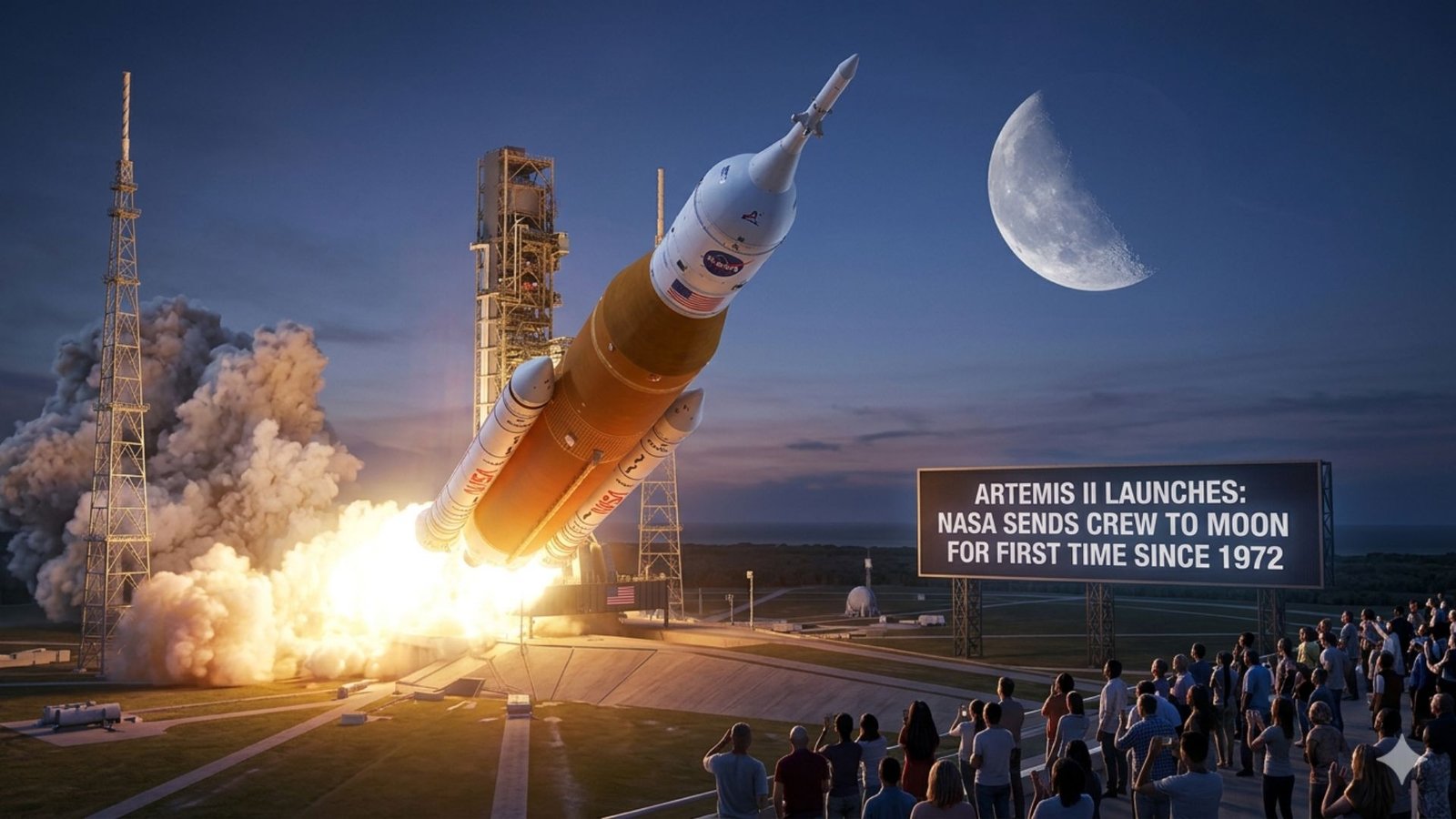
NASA Sends Crew to Moon for First Time Since 1972
NASA’s Artemis II mission lifted off on April 1, 2026—and for the first time in more than half a century, human beings are headed toward the Moon.
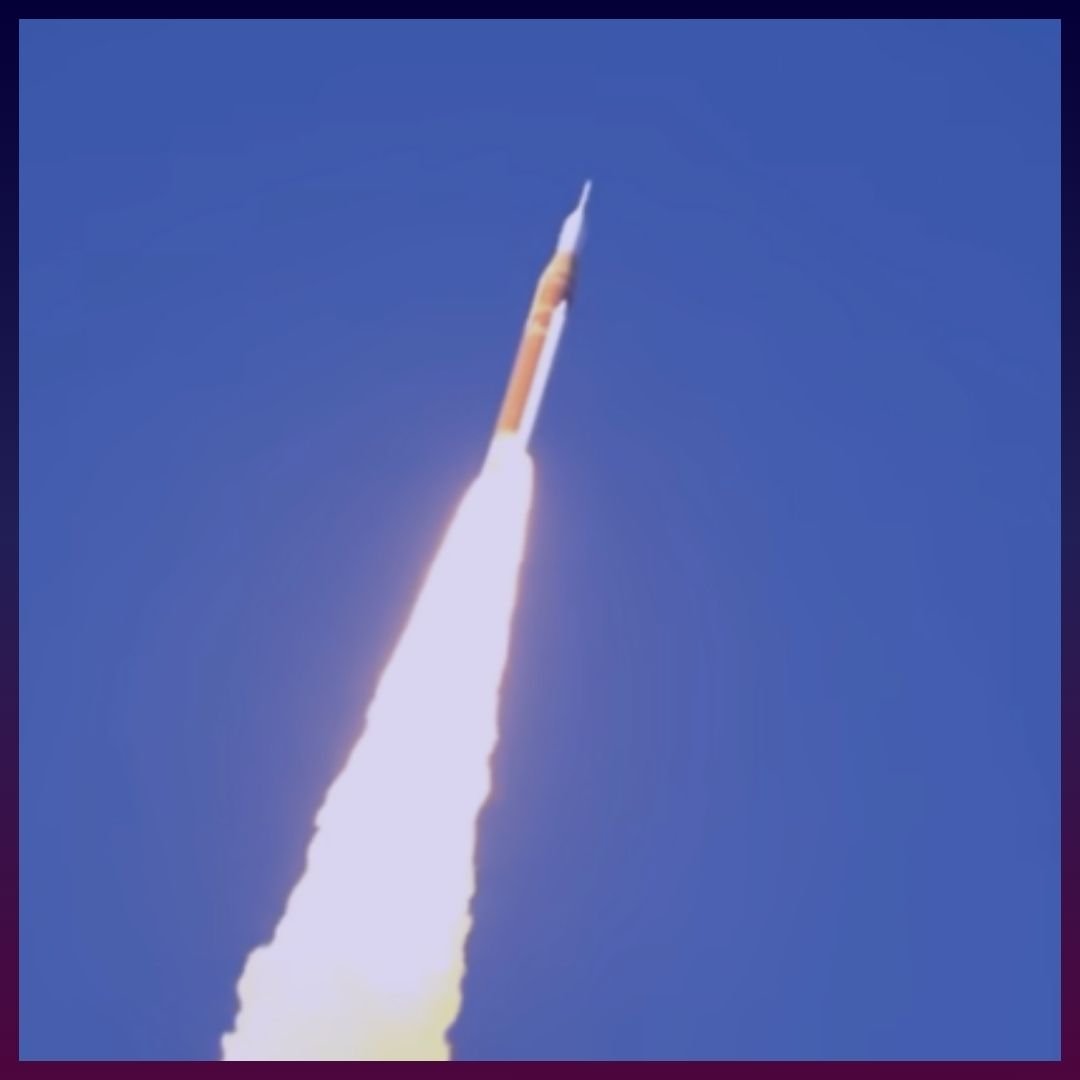
The Space Launch System rocket carrying the Orion spacecraft and its four-person crew cleared the launch pad at Kennedy Space Center, marking the first crewed lunar mission since Apollo 17 in December 1972. The launch drew global attention not just for what it represents scientifically, but for who is on board.
A Crew That Makes History
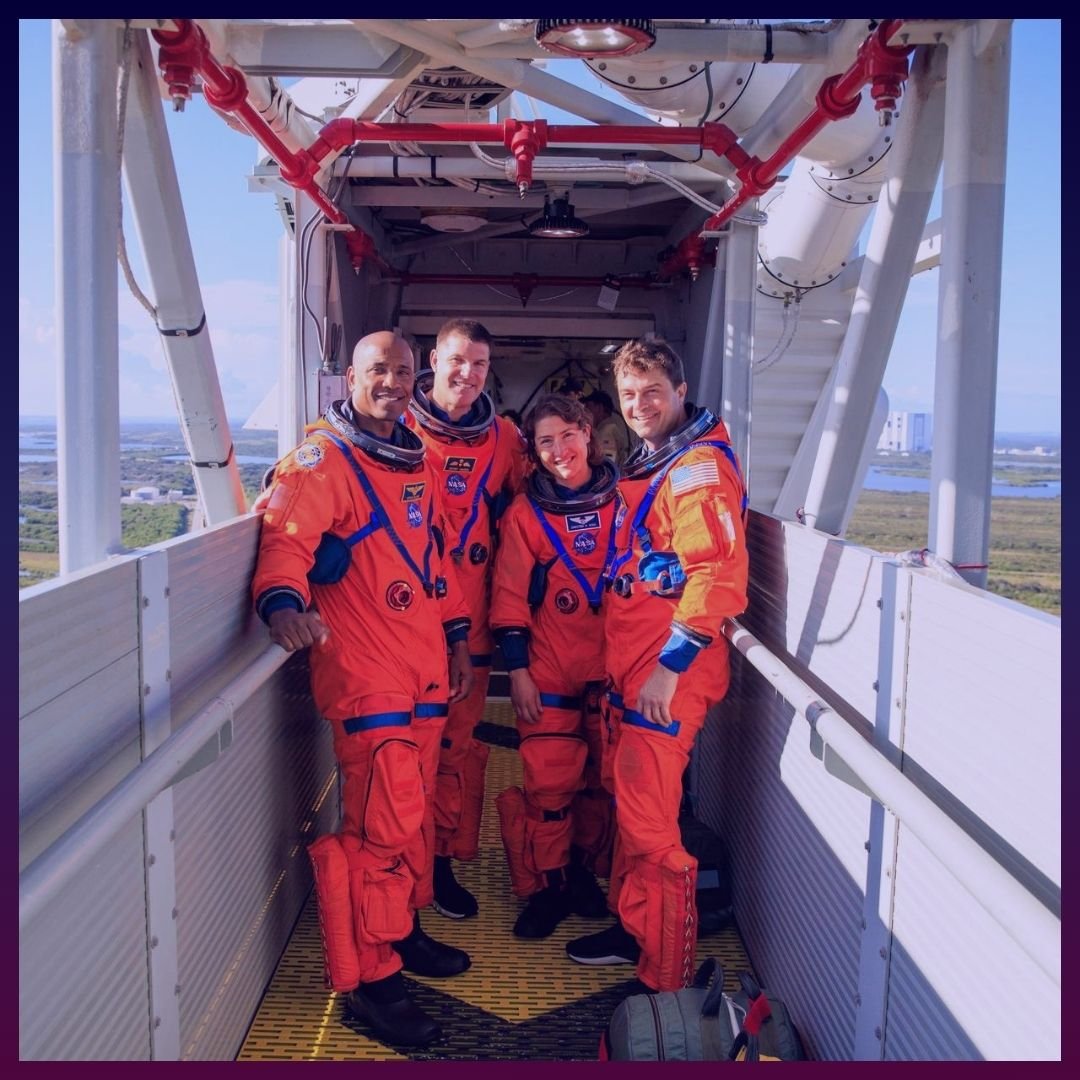
Artemis II carries four astronauts: NASA Commander Reid Wiseman, NASA Pilot Victor Glover, NASA Mission Specialist Christina Koch, and Canadian Space Agency Mission Specialist Jeremy Hansen.
Each name carries historical weight. Christina Koch becomes the first woman to travel to the lunar environment. Victor Glover becomes the first Black person to make the journey. Jeremy Hansen becomes the first non-American astronaut to fly on a lunar mission. Together, this crew represents a deliberate shift in who gets to go to space—and who gets to go further than any human has gone in decades.
Who Are the Artemis II Astronauts? Meet the Full Crew
What Artemis II Mission Actually Does
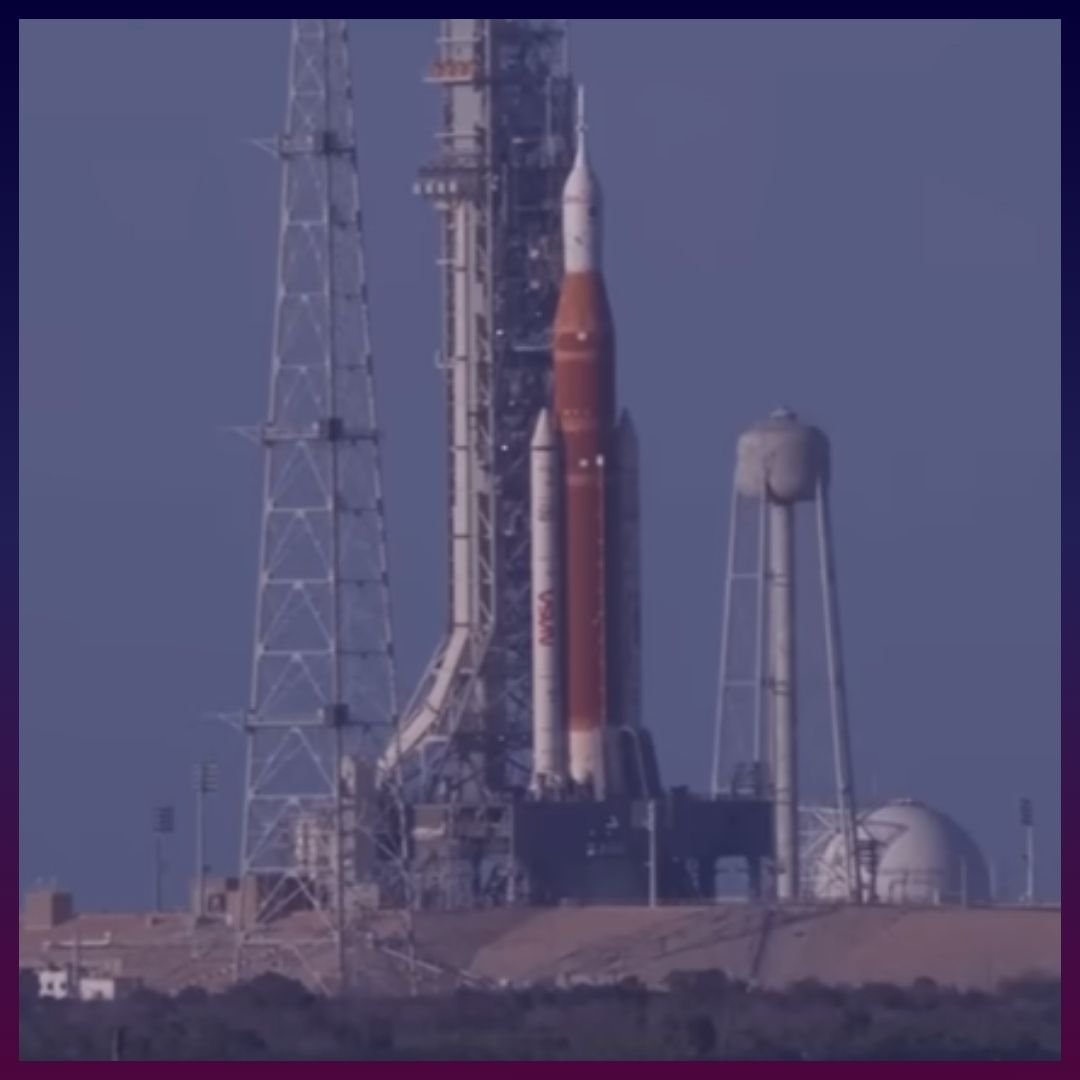
Artemis II is not a Moon landing. The mission profile calls for a free-return lunar flyby—the crew will travel around the Moon and use its gravity to slingshot back toward Earth. The round trip is expected to last approximately 10 days.
That may sound modest compared to the Apollo landings, but the engineering significance is considerable. This is the first time NASA has flown the Orion spacecraft with humans aboard in deep space conditions. The mission stress-tests life support systems, navigation, and crew operations far beyond low Earth orbit. The data will directly inform Artemis III, which is planned as the actual crewed Moon landing.
Why This Moment Matters
NASA has been building toward Artemis II for years. Artemis I, an uncrewed test flight in late 2022, validated the SLS rocket and Orion capsule. Since then, engineers have worked through hardware delays, budget pressures, and schedule revisions to get to this launch.
The fact that it happened on schedule and cleanly is in itself a significant result. The Artemis program has faced persistent skepticism about whether NASA could return to the Moon at all, let alone with a crew that reflects a broader vision of human spaceflight.
There is also the geopolitical dimension. China has publicly stated its goal of landing astronauts on the Moon before 2030. Artemis II puts the United States back in an active crewed lunar program, not just a planned one.
What Comes Next
Mission controllers at Johnson Space Center in Houston will monitor the crew continuously throughout the flight. The critical phases are the translunar injection burn, the lunar flyby itself, and the reentry into Earth’s atmosphere—where Orion must hit a precise corridor to survive the heat of return from deep space.
If everything goes according to plan, the spacecraft is expected to splash down in the Pacific Ocean approximately 10 days after launch.
Artemis III, the planned crewed Moon landing, remains on NASA’s roadmap for no earlier than 2027. The data collected during Artemis II will be central to clearing that mission for flight. Fifty-four years after the last humans left the lunar surface, the next chapter has started.